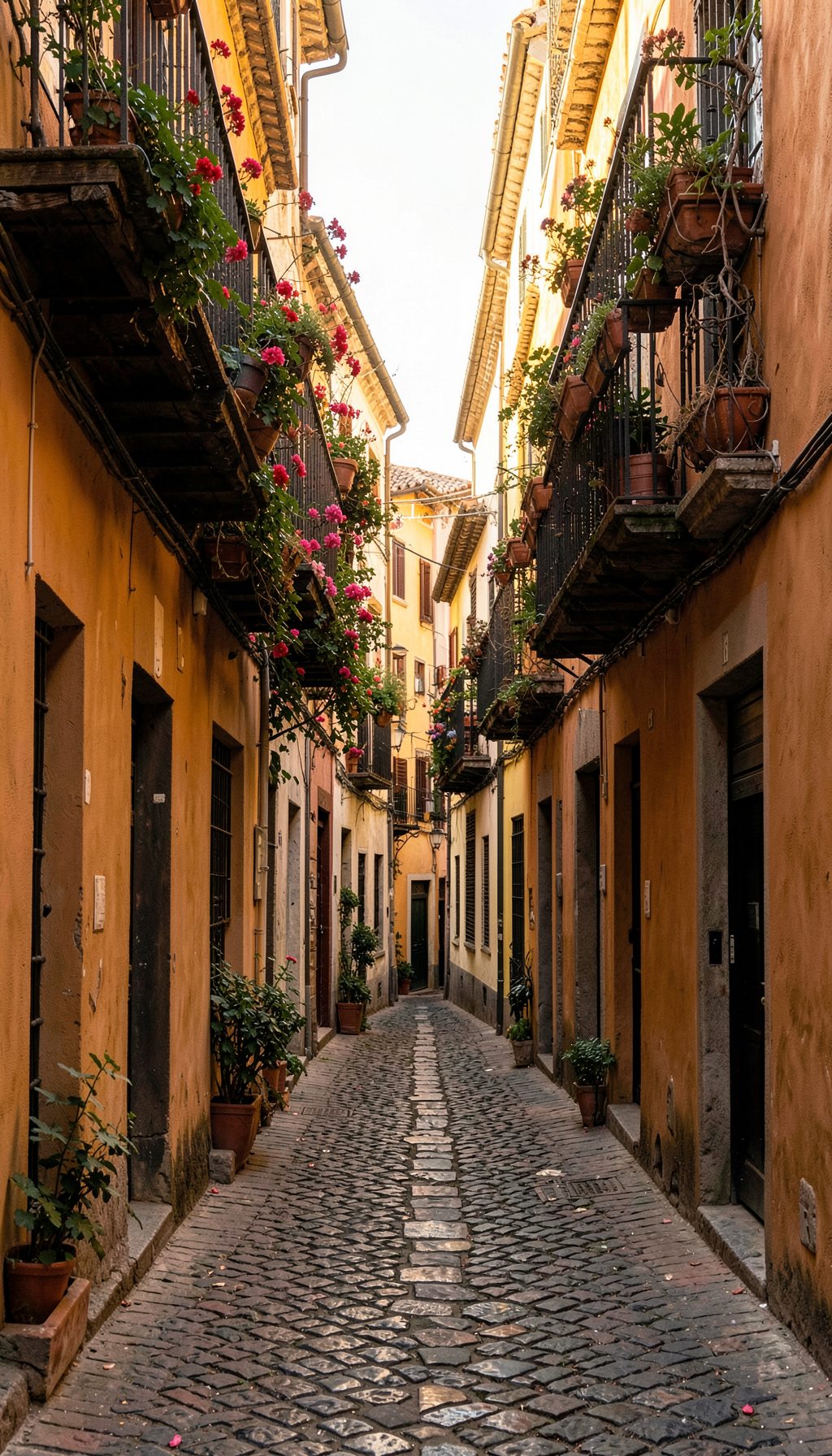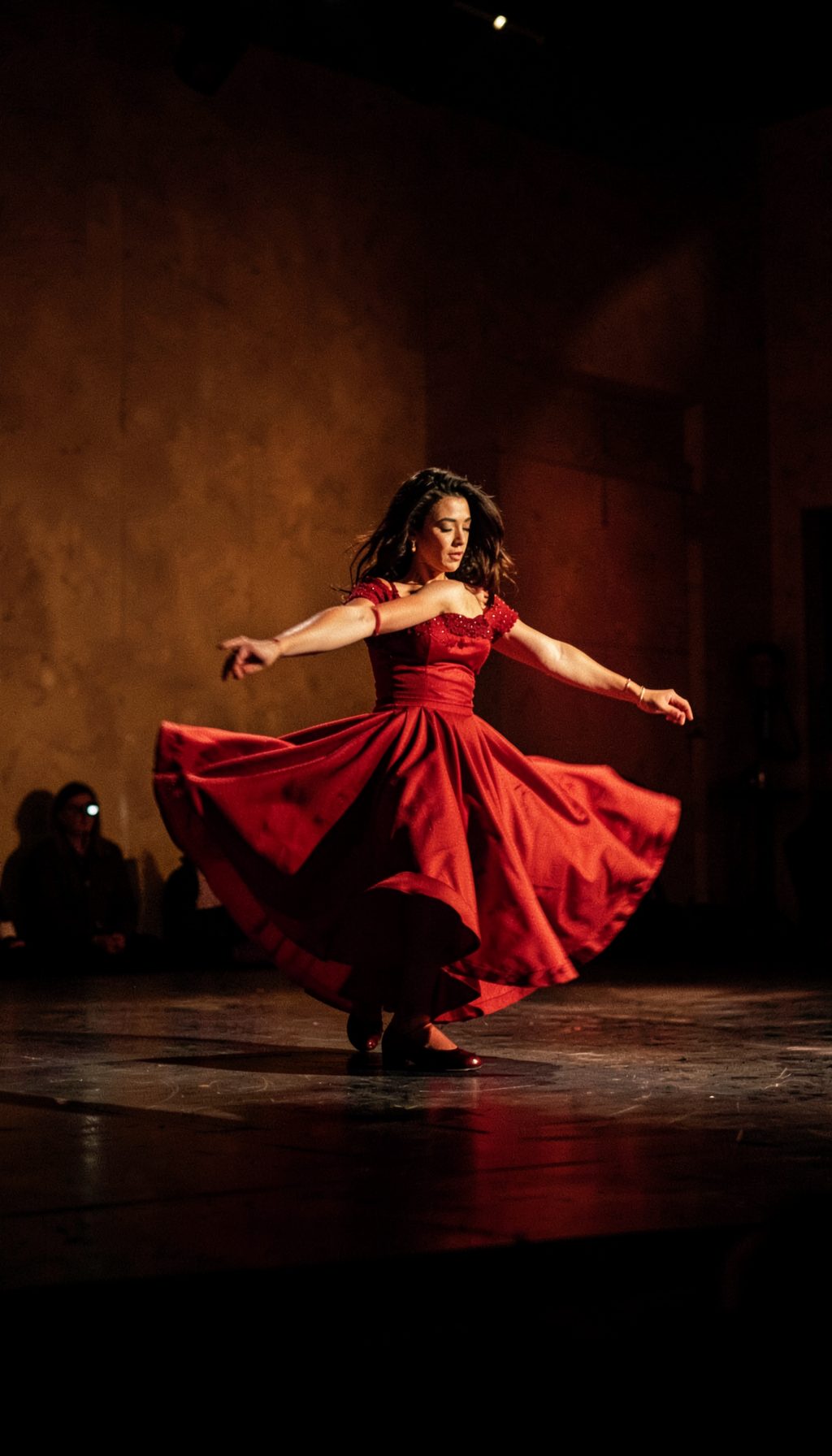
Flamenco is one of Spain's most iconic cultural exports — a passionate fusion of song, dance, and guitar that captivates audiences worldwide. But its roots run far deeper than the tourist tablaos of today. Flamenco originated among the Romani people of Andalusia, shaped by centuries of migration, persecution, and cultural exchange on the Iberian Peninsula.
The Art of Flamenco
At its heart, flamenco is built on three pillars: cante (song), baile (dance), and toque (guitar playing). The cante is raw and deeply emotional, often described by the Spanish word duende — a soulful, almost mystical quality that transcends technique. The baile is percussive and intense, with intricate footwork, expressive arm movements, and a commanding presence. Together with the toque, these elements create an art form that is at once disciplined and improvisational.
The Romani in Europe and Spain
The Romani people arrived in Spain during the 15th century, having migrated over centuries from northern India through Persia, the Middle East, and into Europe. In Andalusia, they encountered a rich musical landscape already shaped by Moorish, Jewish, and Christian traditions. Over generations, these influences blended into what we now recognize as flamenco — though for much of its early history, it remained a private, family-centered expression among marginalized Romani communities.
The Origins of Flamenco Music and Dance
Flamenco's earliest documented forms emerged in the late 18th and early 19th centuries in the barrios of cities like Cádiz, Jerez de la Frontera, and Seville. It was not until the café cantante era of the mid-19th century that flamenco moved from intimate gatherings onto public stages, gaining broader recognition across Spain. This period professionalized the art form and introduced it to paying audiences, setting the stage for its eventual international fame.
Types of Flamenco
Flamenco encompasses a wide range of palos, or stylistic forms, each with its own rhythm, mood, and structure. Some of the most well-known include:
- Soleá — a solemn, deeply expressive form considered the mother of many flamenco styles.
- Bulerías — fast, festive, and often improvised, typical of celebratory gatherings.
- Alegrías — bright and joyful, originating from Cádiz.
- Seguiriyas — one of the oldest and most tragic forms, marked by raw emotional weight.
- Tangos — lively and accessible, with a strong rhythmic pulse.
Flamenco in Modern-Day Spain
Today, flamenco is recognized by UNESCO as an Intangible Cultural Heritage of Humanity. It thrives not only in Andalusia but across Spain and the world, continually evolving through artists who blend tradition with contemporary influences. In Granada's Sacromonte neighborhood, performances still take place in cuevas (caves), preserving an intimate connection to flamenco's Romani roots. Meanwhile, a new generation of Spanish musicians has drawn on flamenco's vocabulary to create bold, genre-crossing work that reaches global audiences.