Travel Tips
Practical advice for traveling in Spain — from getting around and navigating cities to brushing up on your Spanish before you go.
Getting There
Spain is well connected by air, rail, and road. Major international airports in Madrid, Barcelona, Málaga, and Valencia serve direct flights from across Europe, the Americas, and beyond. Once you arrive, the country's high-speed AVE train network links major cities quickly and comfortably — Madrid to Barcelona in under three hours, Madrid to Seville in about two and a half.
For exploring regions at a slower pace, regional trains and an extensive bus network reach smaller towns and rural areas. Rail Europe was a recommended resource for booking train travel across Spain and into neighboring countries.
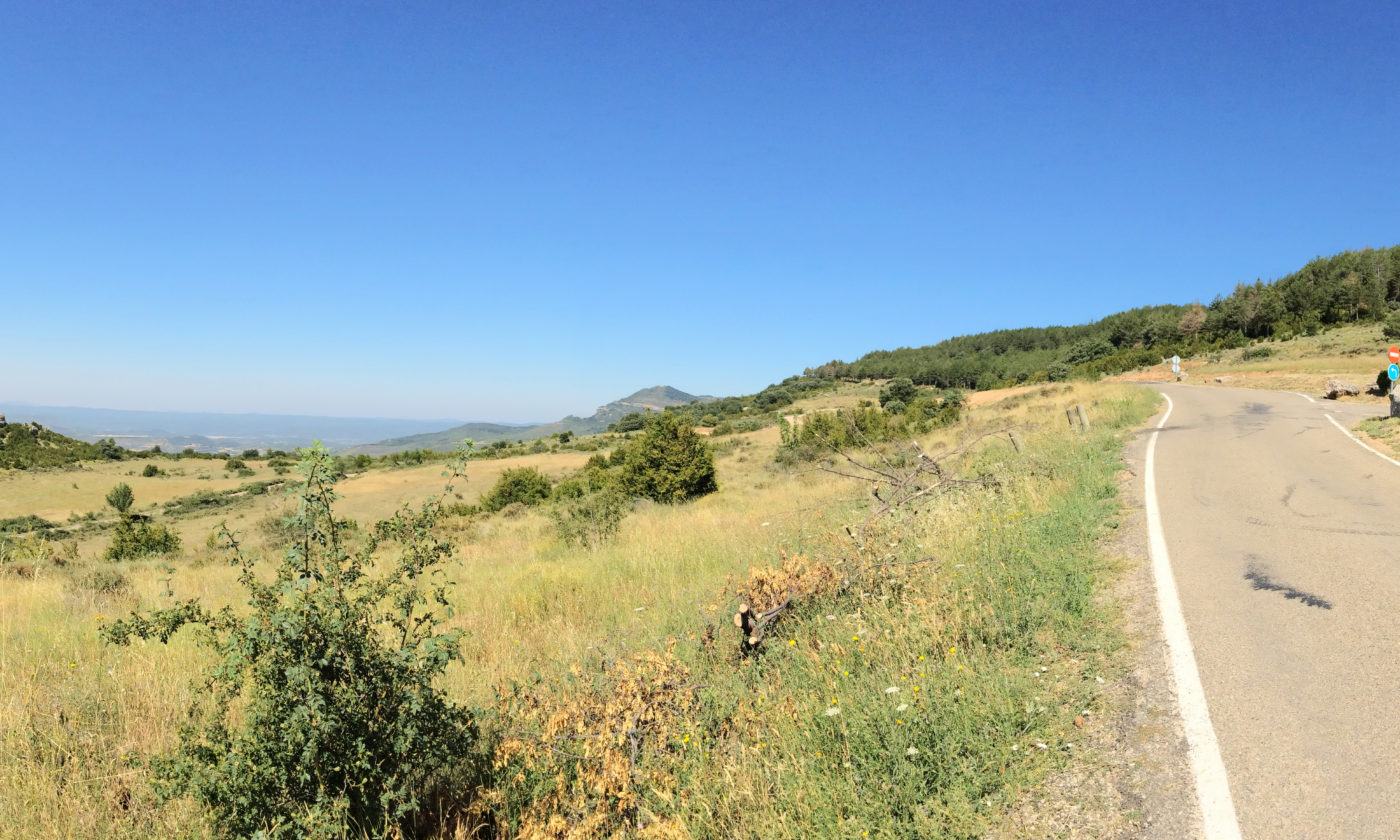
Navigating Spanish Cities
Spanish cities reward walking. Compact historic centers — like those in Granada, Segovia, and San Sebastian's Parte Vieja — are best explored on foot. For longer distances, most cities offer reliable metro, tram, and bus systems. Valencia's Jardines del Turia, a park winding through the city in a former riverbed, makes for a scenic pedestrian and cycling route that connects many neighborhoods.
When visiting multiple cities, consider high-speed rail for intercity hops. For day trips — Segovia from Madrid, for example — trains and buses run frequently and take under an hour.
Language & Communication
While English is widely spoken in tourist areas, learning even basic Spanish can transform your trip. The site explored how reading a single book in Spanish could meaningfully boost language skills — an approach that builds vocabulary and confidence before you arrive. Simple phrases for greetings, ordering food, and asking directions go a long way, especially in smaller towns and markets.
Spain has several co-official languages: Catalan in Catalonia, Basque in the Basque Country, and Galician in Galicia. Locals appreciate any effort, and a friendly gracias or buenos días opens doors everywhere.
Practical Resources
City Guides
In-depth guides to Barcelona, Granada, Madrid, San Sebastian, Segovia, Valencia, Seville, and more — each packed with what to see, eat, and experience.
Experiences
Curated ideas across art, beaches, festivals, and hiking — from flamenco in Andalusia to coastal walks in the Basque Country.
Cultural Deep Dives
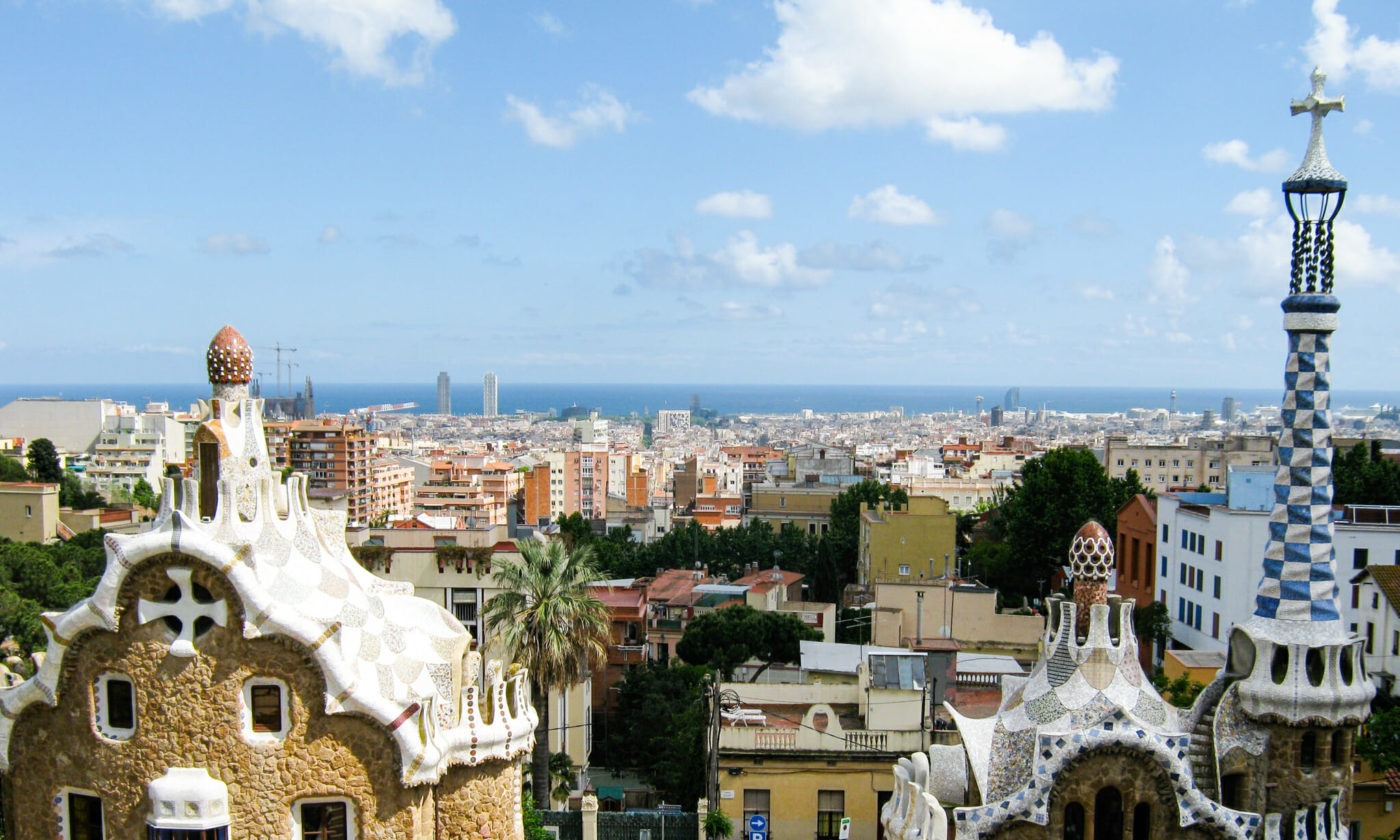
Understand the stories behind the places: Gaudí's architecture, the Alhambra's royal past, and the Romani roots of flamenco.