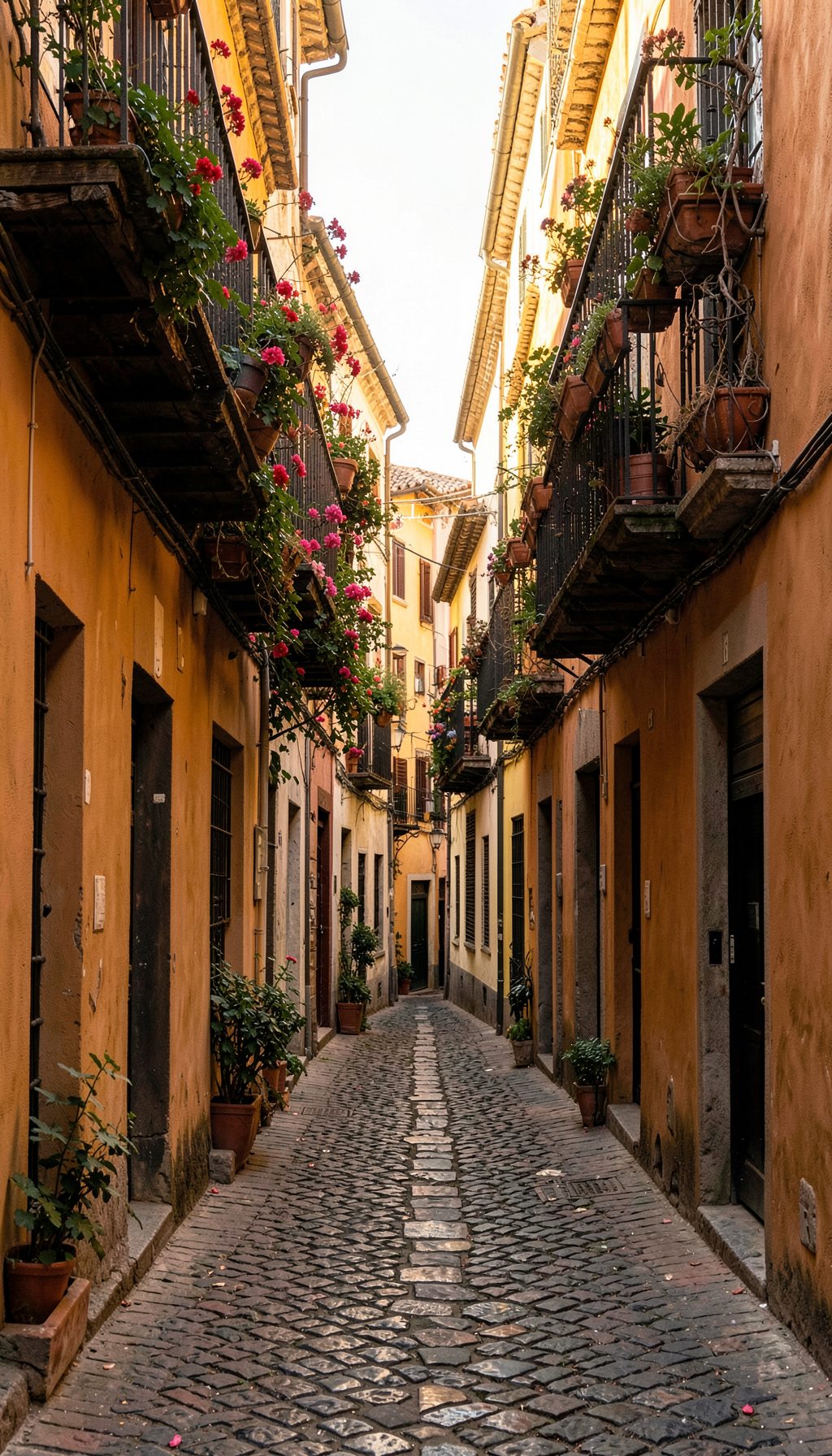
Ciutat Vella (Old City)
The historic heart of Valencia is a maze of narrow streets, hidden plazas, and centuries-old stone. Wander through the Barrio del Carmen to find street art, tapas bars, and traces of the city's Roman and Moorish past.
A sunny, palm-lined city on Spain's Mediterranean coast — world-class cuisine, a great beach, and tons of green space await in Spain's third-largest city.
Valencia — officially València — is the third-largest city in Spain and the capital of the Valencian Community. Set along the Mediterranean coast, it blends a deeply historic old quarter with some of the country's most daring modern architecture. From the Gothic lanes of Ciutat Vella to the futuristic curves of the City of Arts and Sciences, Valencia rewards travelers who want both tradition and innovation in one sun-drenched destination.
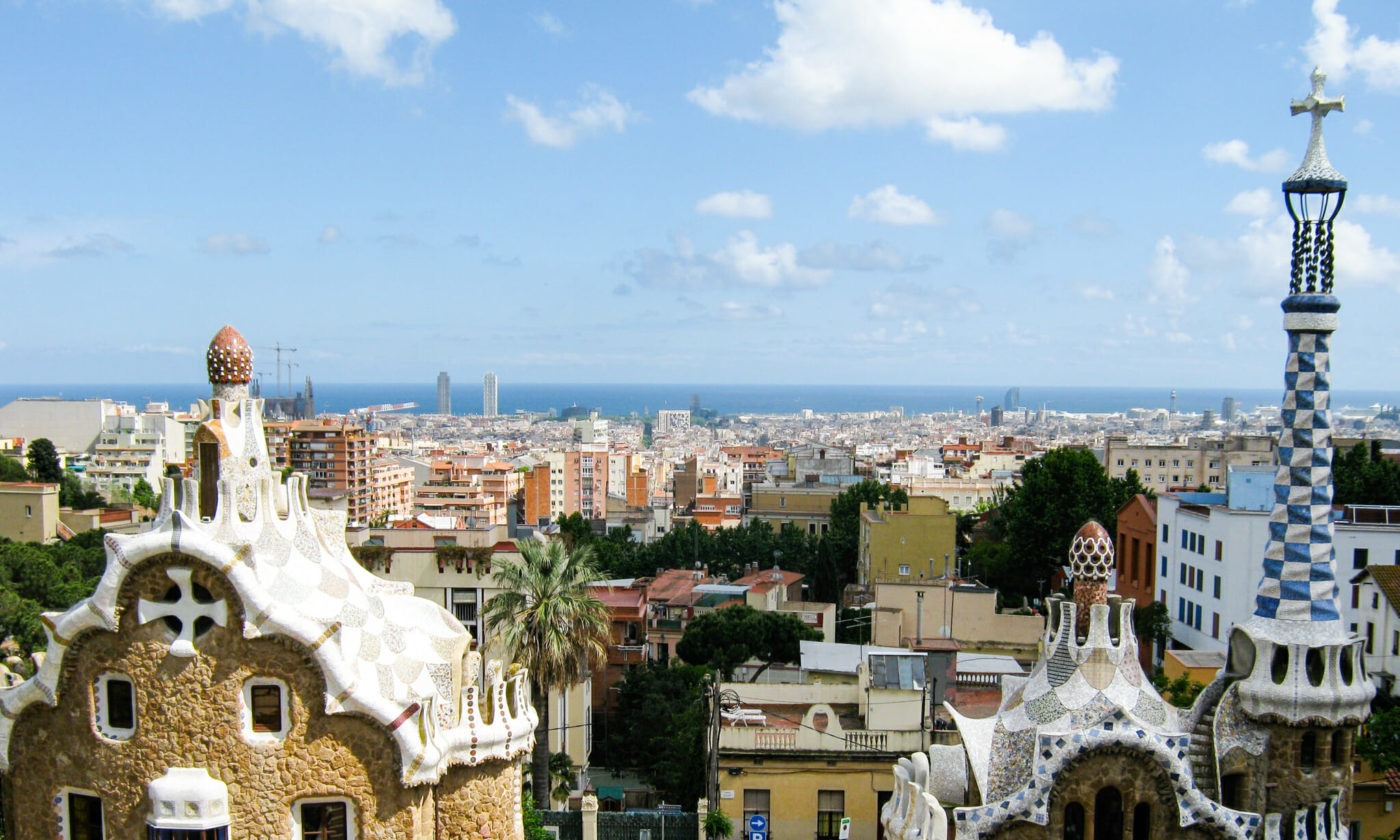
Valencia packs centuries of history alongside bold contemporary landmarks. Here are the essential stops for any visit.
The historic heart of Valencia is a maze of narrow streets, hidden plazas, and centuries-old stone. Wander through the Barrio del Carmen to find street art, tapas bars, and traces of the city's Roman and Moorish past.
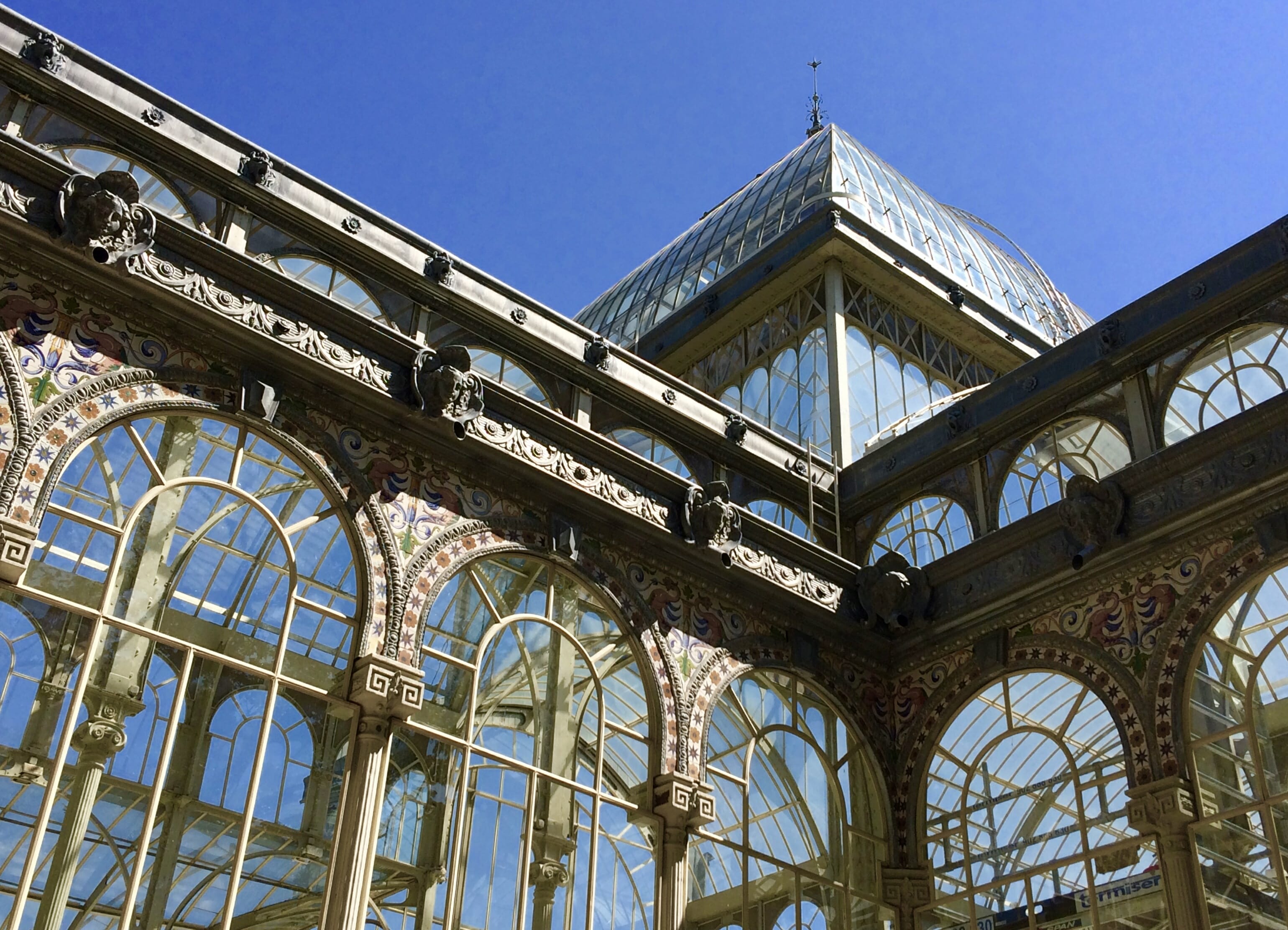
Santiago Calatrava's sprawling cultural complex is Valencia's most iconic modern landmark. The ensemble of opera house, science museum, aquarium, and IMAX cinema sits in reflective pools at the end of the Turia Gardens.
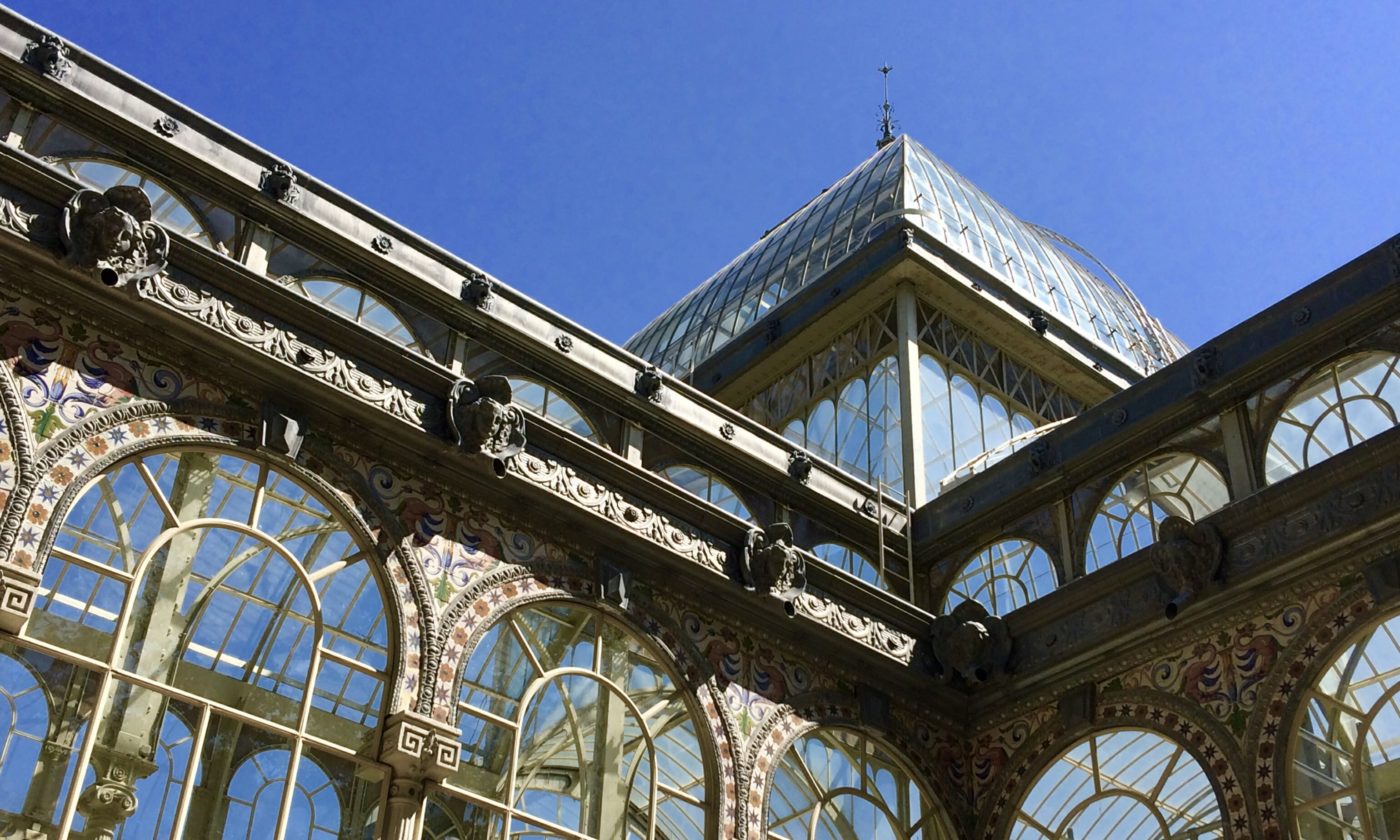
One of the largest markets in Europe, housed in a stunning Modernista building designed by students of Antoni Gaudí. Browse stalls overflowing with fresh produce, seafood, jamón, and local cheeses beneath vaulted tile-and-iron ceilings.
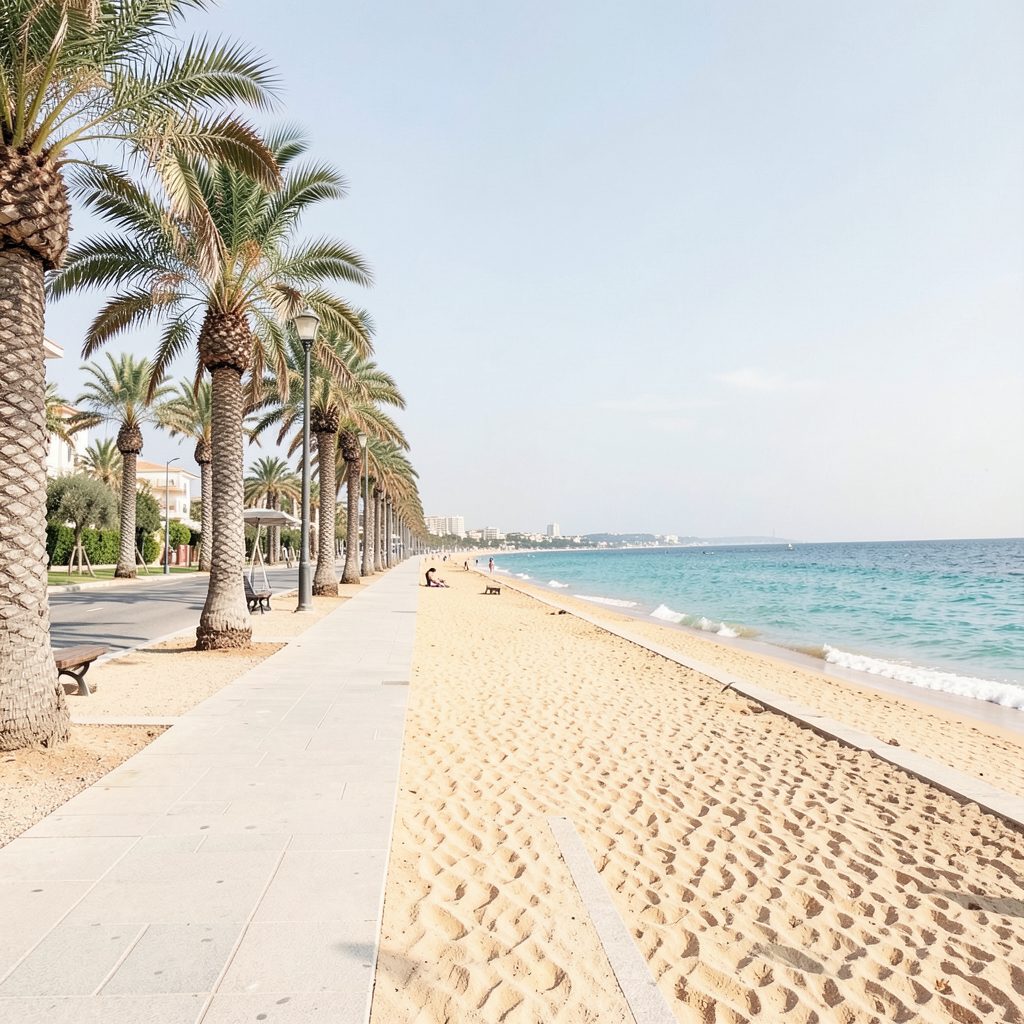
When the Turia River was diverted after a devastating flood, its former riverbed became a lush 9-kilometer park winding through the city. Cyclists, joggers, and families fill its paths, gardens, and sports fields from end to end.
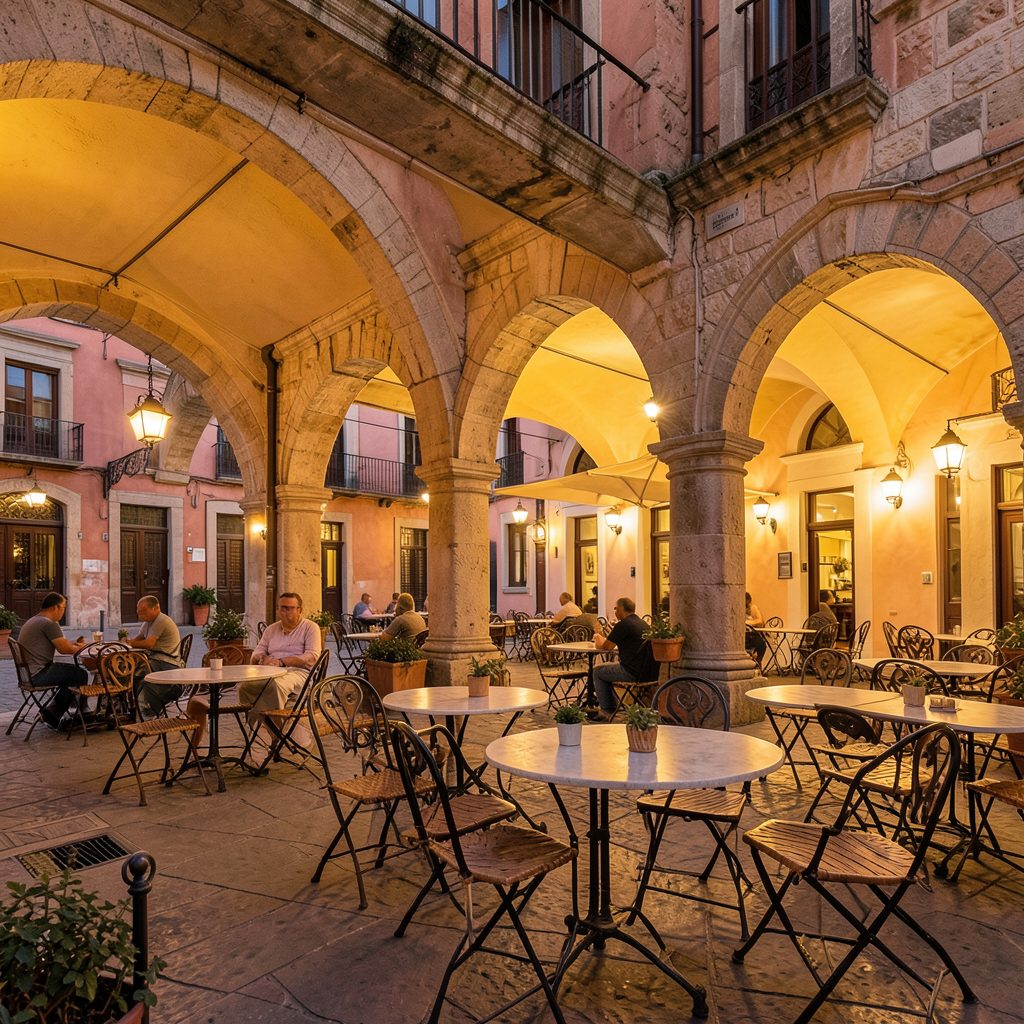
A UNESCO World Heritage Site, this 15th-century Gothic trading hall is a masterpiece of late medieval architecture. Its soaring twisted columns and intricate stonework speak to Valencia's golden age as a Mediterranean trading power.
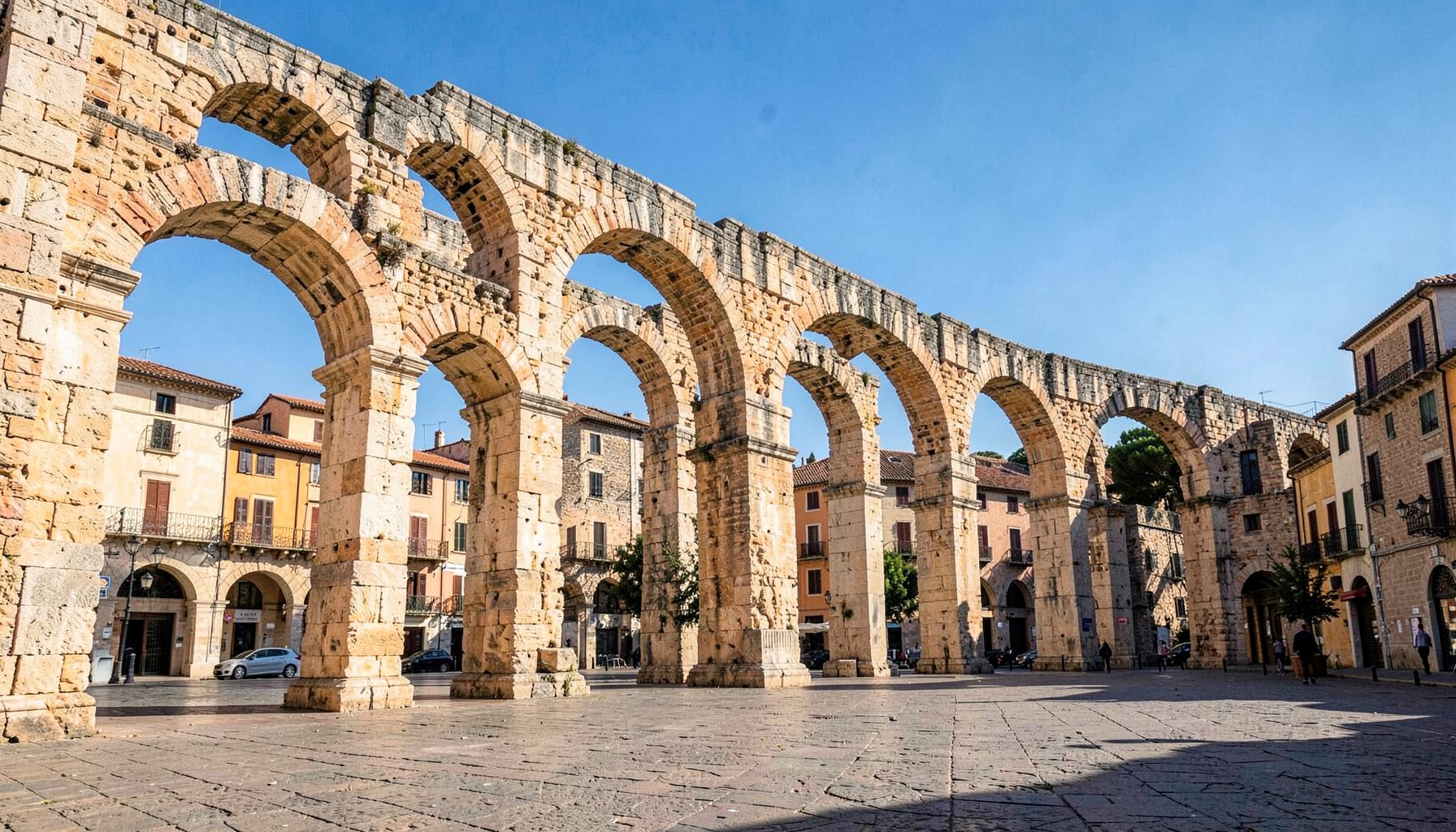
The octagonal bell tower of Valencia Cathedral rises above the old city skyline. Climb its 207 steps for panoramic views across terracotta rooftops to the sea, then explore the cathedral's chapels — said to house the Holy Grail.
Valencia's dining scene ranges from traditional market-fresh cooking to inventive gastronomy. The area around Mercat Central and the Russafa neighbourhood are particularly rich in restaurants and tapas bars. For budget-conscious travelers, the Home Youth Hostel on Carrer de la Llotja offers a well-located base in the old quarter. The city's signature dish is paella valenciana — the original paella, made with rabbit, chicken, and local beans.
Valencia is compact and walkable, especially within Ciutat Vella. The city also has an efficient metro and bus network connecting the beach, the City of Arts and Sciences, and outlying neighbourhoods. The Turia Gardens provide a pleasant, traffic-free cycling and walking route that cuts through much of the city. Valencia's main train station — Estació del Nord — offers connections to Madrid, Barcelona, and coastal destinations.
Valencia's Mediterranean location makes it an ideal springboard for exploring the wider Valencian Community. The Albufera Natural Park, just south of the city, is a freshwater lagoon surrounded by rice paddies — the birthplace of paella — where boat trips at sunset are a local ritual. Further afield, the Costa del Azahar offers quiet beaches and historic towns like Peñíscola and Morella.